 ozone
Business guides
Agree payment terms before you send the invoice
Make due dates, payment methods, and follow-ups explicit so collecting payment does not depend on guesswork.
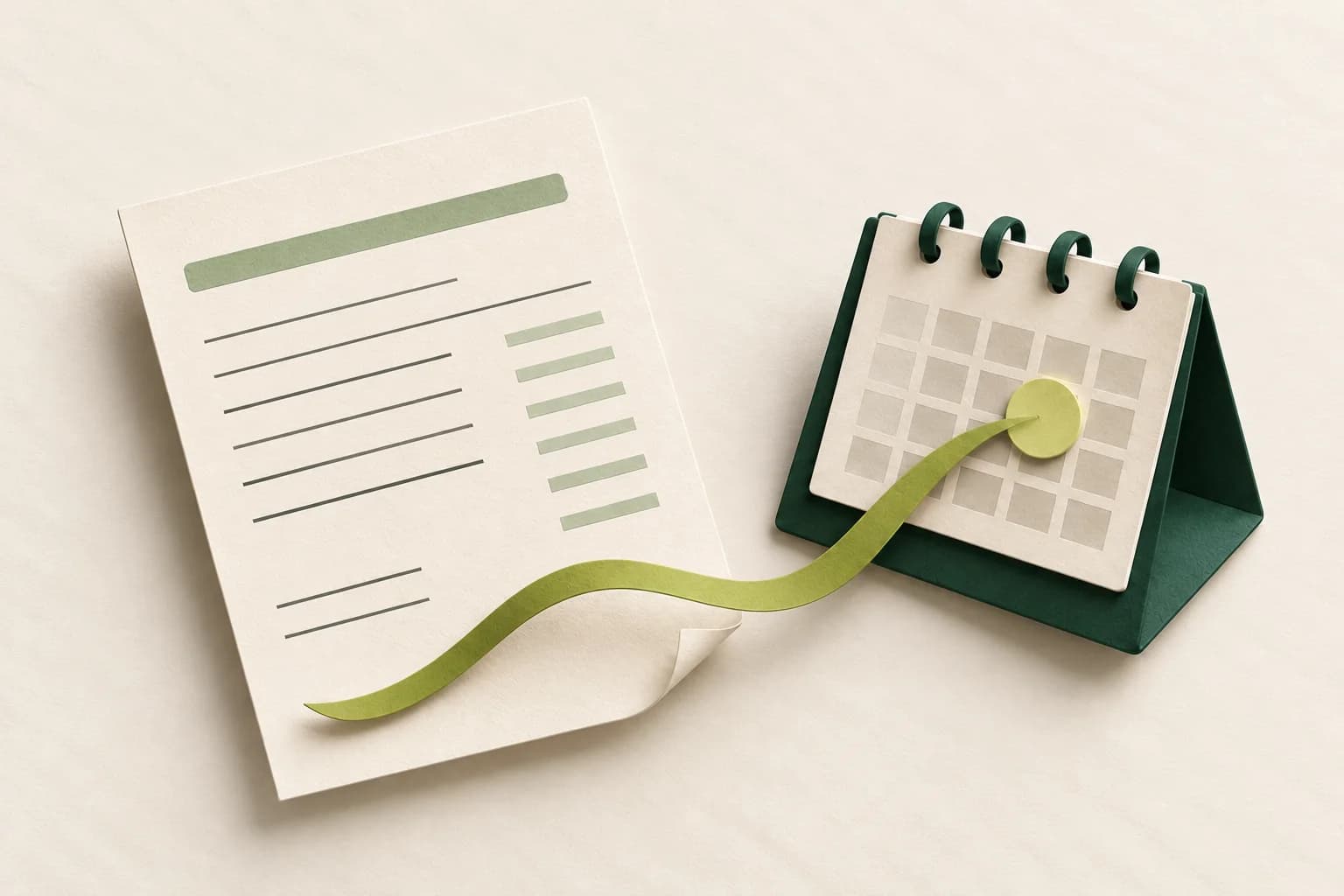
The order is complete and the invoice has been sent, but payment has not arrived. When you ask, the customer explains that their finance team has not approved the documents. You counted the payment period from delivery; they counted it from the day the paperwork was accepted.
A late payment does not always mean a customer is unwilling to pay. Sometimes the two sides understand the starting point differently. Clear payment terms reduce that ambiguity, although they cannot guarantee that every invoice will be paid on time.
Agree the terms before work starts
An invoice should not be the first place a customer encounters your payment terms. Include them in the quotation or order confirmation and obtain written agreement. The invoice should repeat the agreement, not introduce new conditions.
If a job requires buying materials in advance, consider whether a deposit or staged payments would suit it. Base the decision on cash needs and the customer agreement rather than assuming every business needs the same deposit percentage.
Also ask who receives invoices and which supporting documents they need. A business customer may require a purchase order number or proof of delivery. Knowing this early is more useful than supplying missing paperwork after the due date.
Spell out four things
Payment terms that people can act on should answer:
- When: the due date and the event used to calculate it.
- How much: the amount due, including any agreed payment stages.
- How: the payment method and verified destination details.
- Who to contact: a person who can handle invoice corrections or payment confirmations.
Rather than writing only “net 14”, use a sentence that does not require interpretation. For example: “Payment is due by 3 November 2026, 14 calendar days after the invoice date of 20 October 2026.” Check that the dates reflect the actual agreement.
If document acceptance is part of payment processing, identify the documents and how receipt will be confirmed. Avoid a deadline that depends on an undefined internal customer process.
A sample payment note
This is an editorial example, not a ready-to-use legal clause:
Please pay Rp1,500,000 by 3 November 2026 to the business account shown on this invoice. Include the invoice number in the transfer reference. For document corrections or confirmation of receipt, contact the billing person listed on the invoice.
The note is deliberately short. The scope of work, payment stages, and other conditions must still match the agreed quotation or contract. Do not add a late fee unilaterally to an invoice. If one is needed, review the agreement and applicable law with a qualified adviser.
Make follow-ups polite and traceable
Record when you sent the invoice and whether the recipient confirmed receipt. Check the bank transaction history before sending a reminder so you do not chase a payment that has already arrived.
A reminder can include the invoice number, due date, outstanding amount, and a question the customer can easily answer:
We would like to confirm the status of invoice INV-026, due on 3 November 2026. Are the documents complete for processing? If payment has already been made, please share its reference so we can update our records.
If the customer raises a concern, distinguish a dispute about the work from missing paperwork or a payment delay. Record the outcome and the next follow-up date. Seek professional advice for disputes or formal collection; this article is not legal advice.
Check before sending
Confirm that the customer accepted the terms, the dates are consistent, the bank details are correct, and supporting documents are ready. Next, prepare the invoice details and include the expected receipt in your weekly cash review.
Source and scope
- business.gov.au — Payment terms, accessed 20 October 2026: payment-term components and polite reminders.
The operational principles are adapted for an Indonesian small-business audience. Australian contract and legal rules in the source are not presented as Indonesian law. The invoice number, dates, amount, and messages above are illustrative, not Ozone customer transactions.
Keep reading
Business guides
Prepare your details before creating an invoice
Practical notes on business, client, and item details for the Invoice Maker workflow.
Business guides
More orders do not always mean more cash
Build a weekly cash review that separates money received, invoices still outstanding, and payments coming due.